How I Saved £1,000 a Month Living in the UK: My Top Ways to Budget
Kavil
October 19, 2026
Bath Trip under £200
Meals on Vacation
Saving money to get married in 2025
In this post, I’ll show you tips on budgeting in the UK and saving money each month by living frugally. Many students come to the UK to party, drink and smoke. I don’t judge, but my goals were different. I wanted to pay for my wedding in India all by myself, live without worrying about losing my job, and one day write full-time as an author.
That didn’t mean I had no fun. I travelled to three UK cities, went on several hikes, went to the cinema and to plays, and had plenty of board game nights.
Hello, I’m Kavil. I lived in the UK from September 2023 until I moved back to India in July 2026. I began as a part-time teaching assistant, then worked full-time as a teaching assistant for two years after graduating. After a few other jobs, I landed my dream role as a full-time marketing executive. My pay was around £1,000 a month part-time and a little over £2,000 a month as a marketer.
Here’s how I managed to save roughly £800–£1,000 a month on an average full-time salary.
How to Start Saving Money: My Monthly Budget Breakdown
If you’re wondering how to start saving money, begin by knowing exactly where it goes. Here is my monthly budget on an average salary of £1,800 in the UK:
Take-home pay: £1,800 minus about £160 in tax leaves roughly £1,640
Rent: £427 (I shared a house with four other lads)
Utilities: £30–£50
Wifi: £8
SIM card: £10
Commuting: £3.50 a day, about £70 a month
Groceries: around £30 a week
Altogether, I spent about £780 a month and saved the rest, roughly £850–£1,000. When I picked up extra shifts or cut back further, my savings reached £1,000 for the month.
How to Save Money on a Low Income: Keep Your Fixed Costs Low
Learning how to save money on a low income mostly comes down to your highest fixed cost, which is rent. Sharing with four housemates meant my rent stayed far below what a solo flat would cost. Keeping bills low helped too: a cheap SIM plan, basic Wi-Fi, and sensible energy use. If you’re asking how to save money on bills, start by splitting them with housemates and choosing the cheapest plan that does the job.
How to Save Money on Groceries: Spend £30 a Week at Most
How to save money on groceries is where I made the biggest difference. Cheap meals begin in the supermarket, not the kitchen. I never spent more than £30 a week, and I still treated myself to the odd cake or dessert. That’s what made how to save money on food sustainable for me. A budget you can’t stick to is useless.
Budget Meals for One: How I Ate Well for £1 or Less
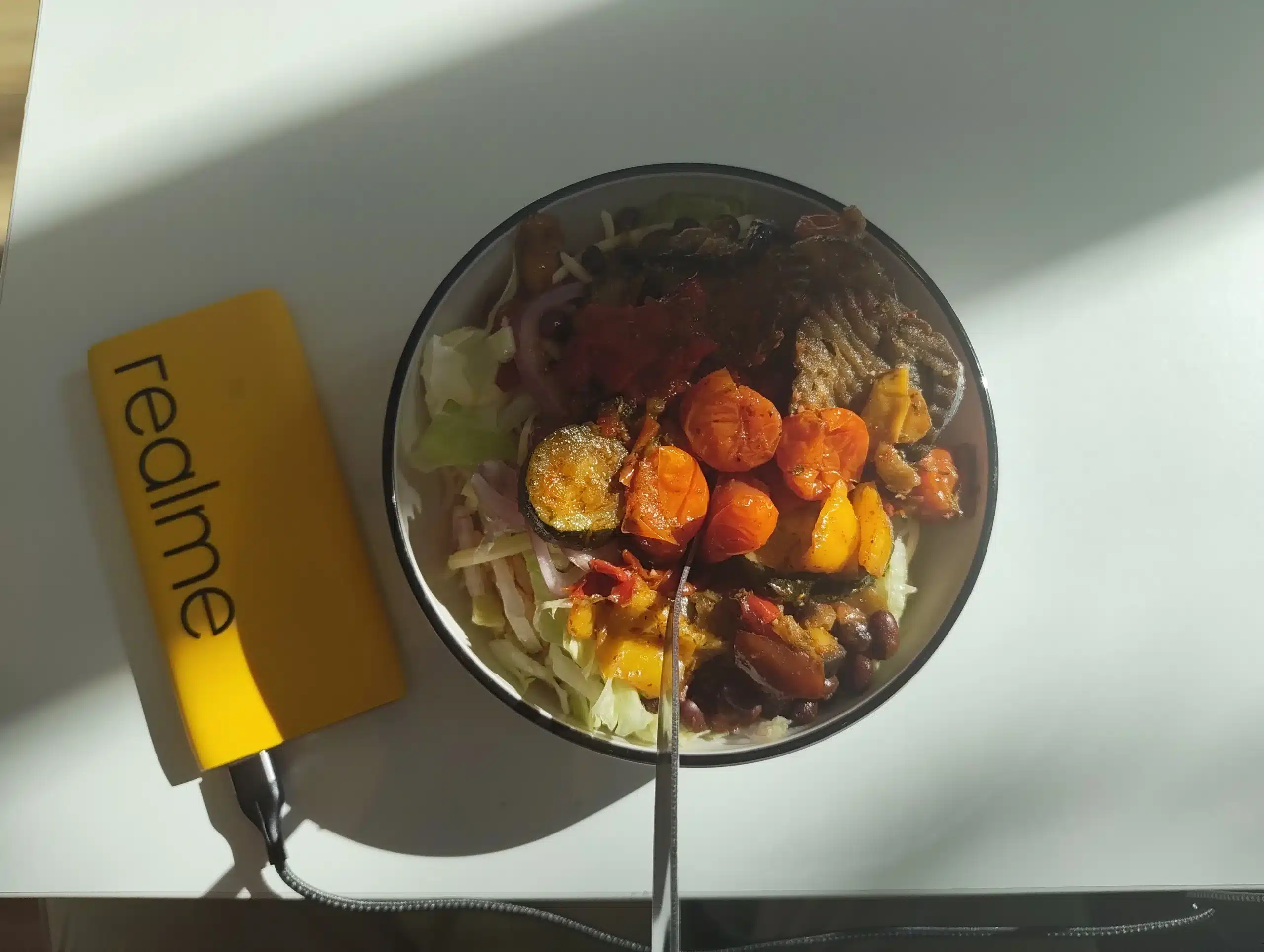
Vegetable Rice
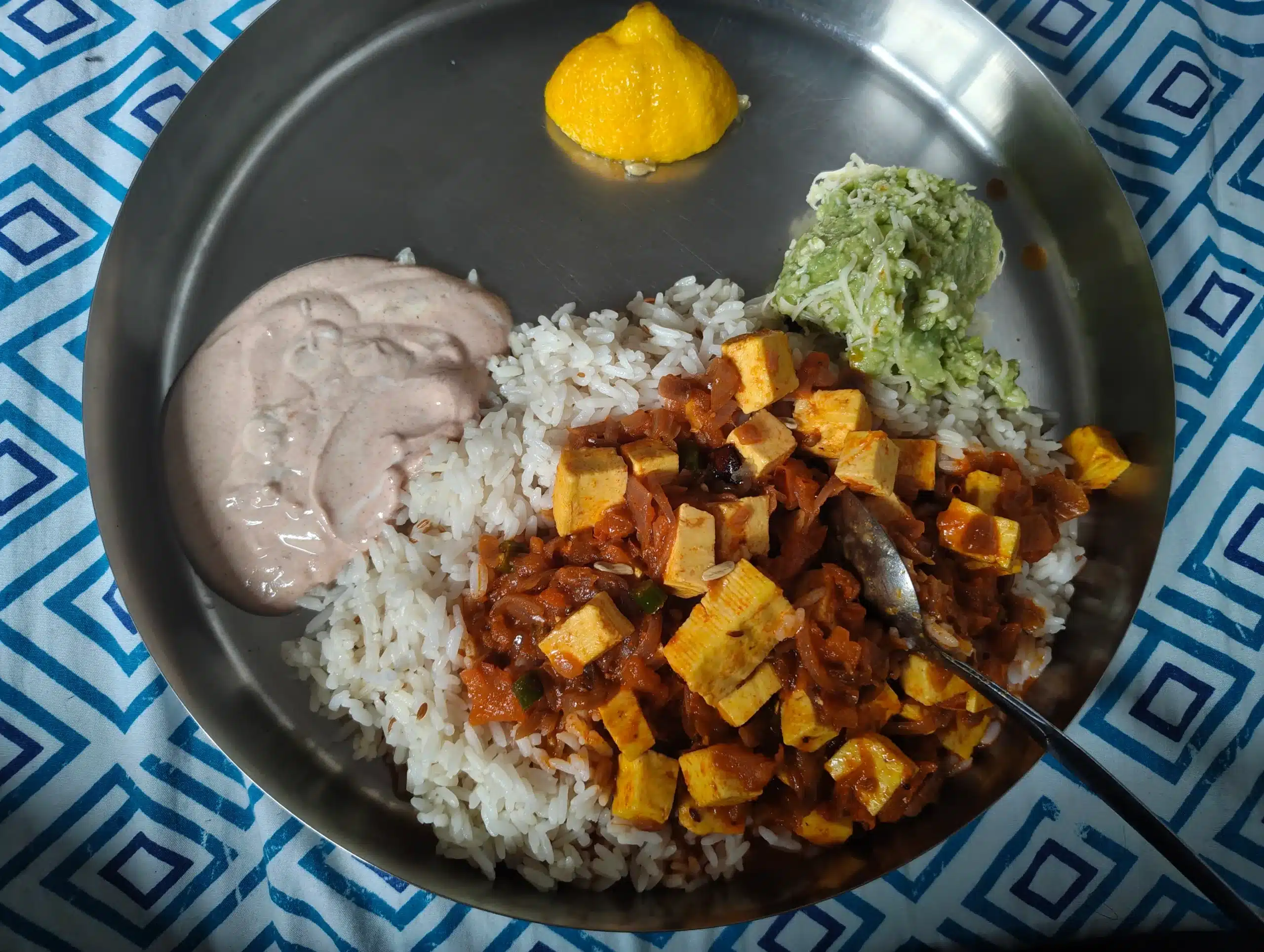
Paneer Rice
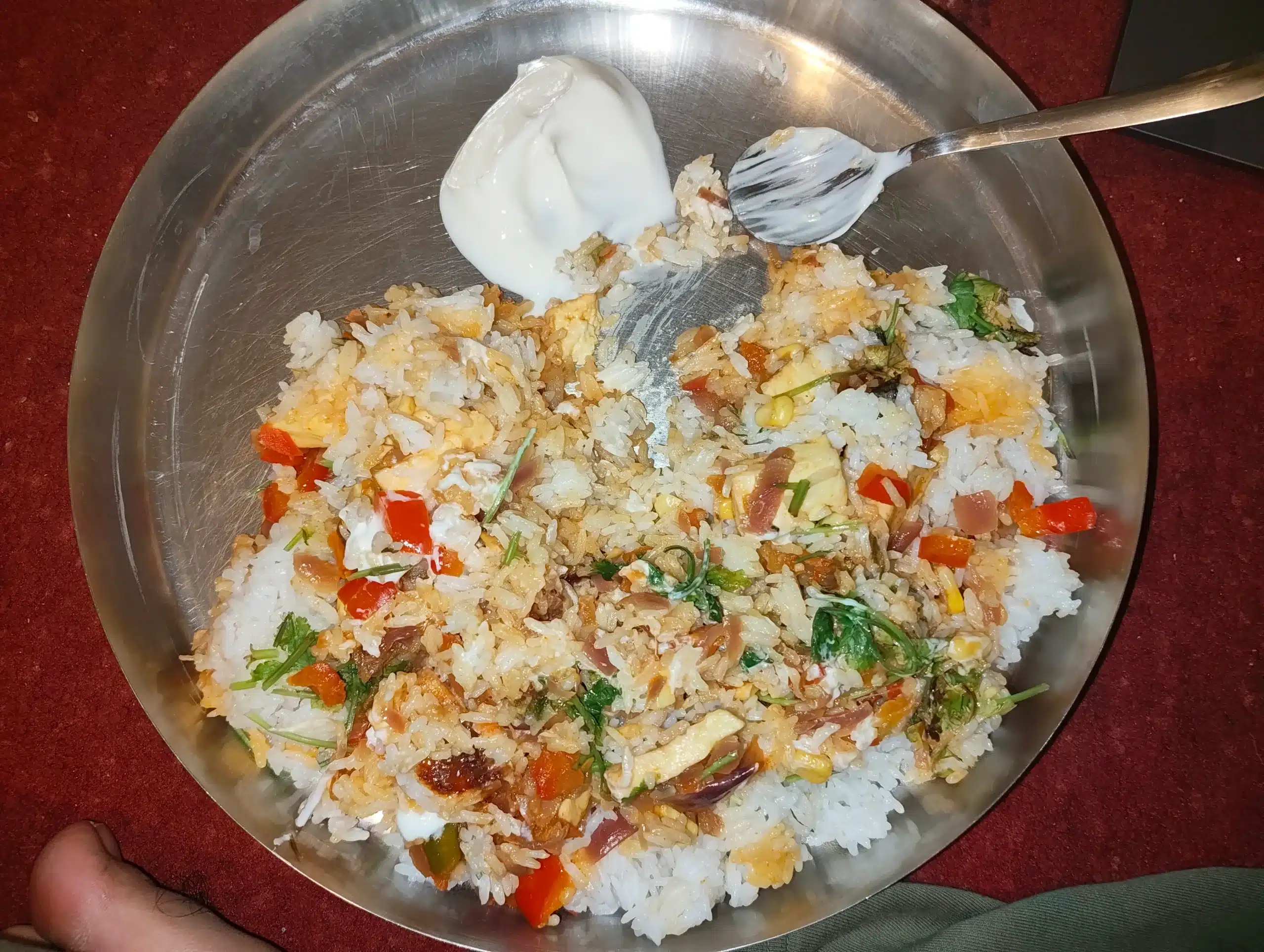
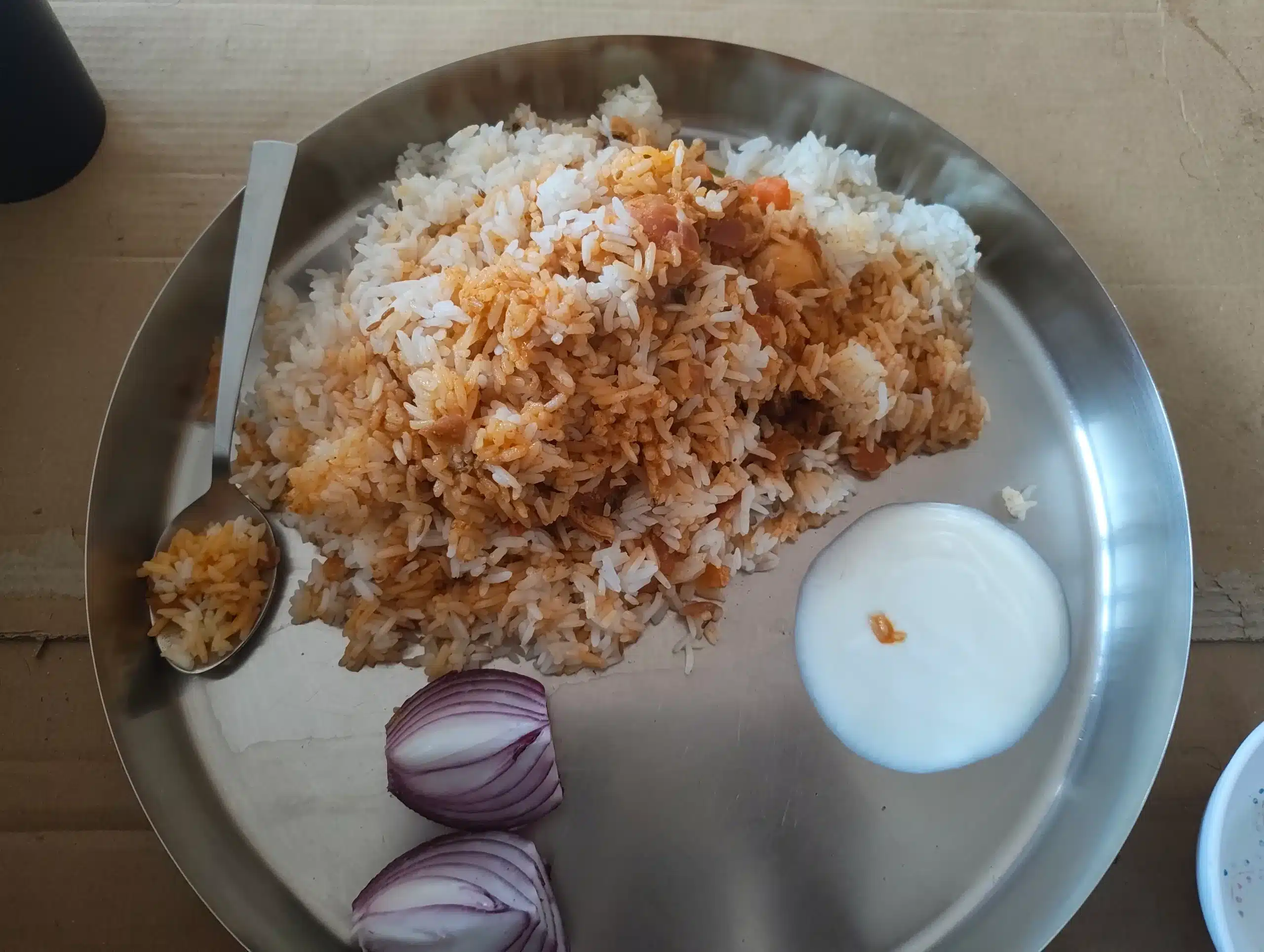
Rice Dish with Curd
Chicken Sandwich
Pizza
Chole and Jacket Potato
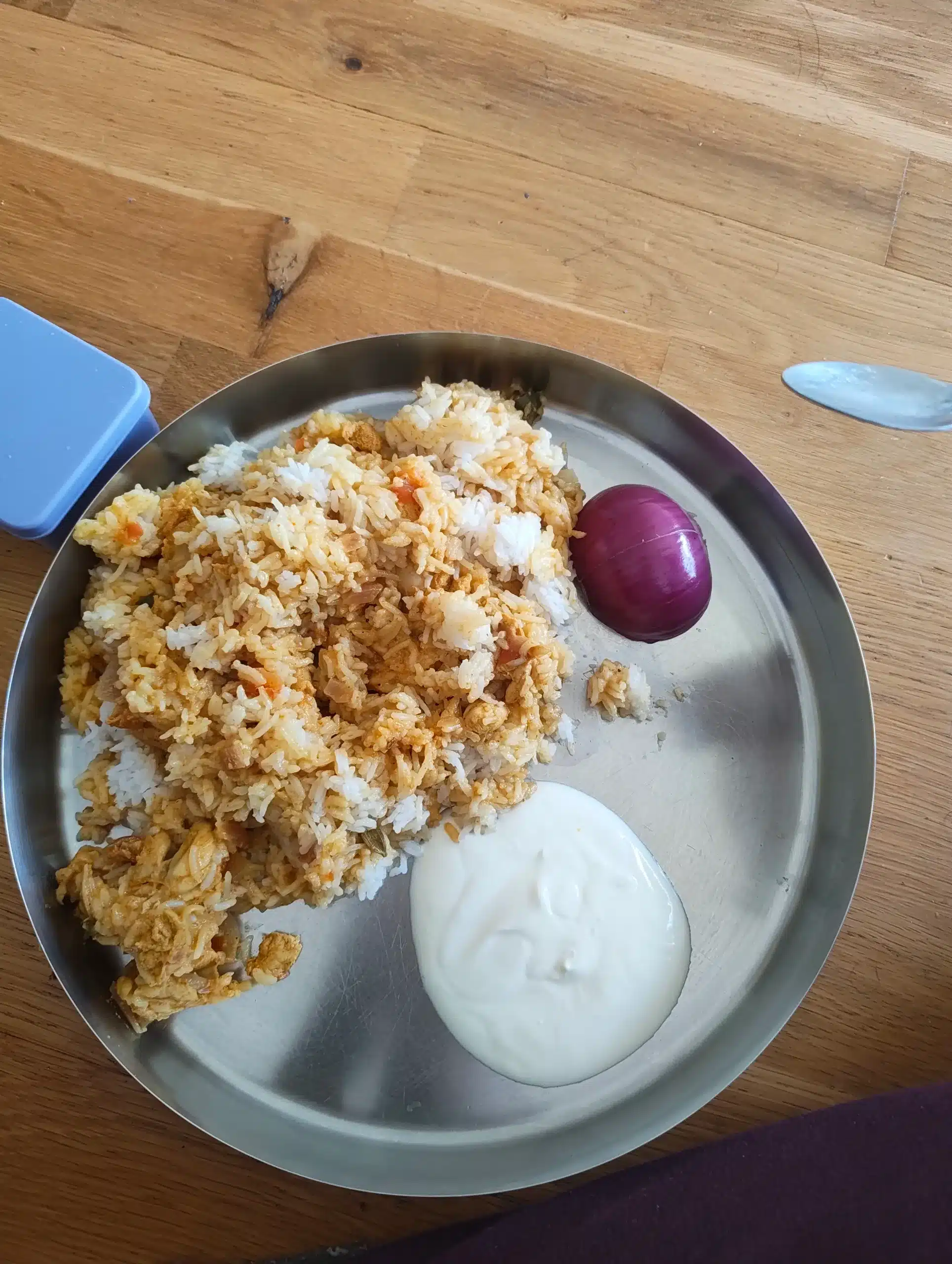
Chicken Biryani
Beans on Toast
My budget meals for one cost about £1 or less per portion. As an Indian, I ate lots of rice, beans, pasta and biryani (which is also rice!), plus something fun on Sundays. I also ate one meal a week at school on Mondays, where staff meals cost £2 or even less.
These easy meals for one person were my regular rotation:
Chole rice
Chicken biryani
Pasta with cheese
Pav bhaji
Egg and cheese sandwich
Paneer rice
Rajma and chole stew
Homemade pizza
Most of these work as cheap meals for one, and many are one pot meals, which means less washing up.
Meal Prep Tips: Easy Meals for 1 in 30 Minutes
My best meal prep trick was making an onion paste. I cooked a big batch of onions, stored it in the fridge and used it for a week. That saved about 30 minutes of cooking each time and meant fewer dishes. I could cook two meals in just 25–30 minutes, which covered my weekday dinners and the lunches I took to the office.
How to Save Money as a Student (and After You Graduate)
If you want to know how to save money as a student, my approach was simple. Cook at home, share your housing, take packed lunches, and treat yourself in small, planned ways. These habits carried over into my working life, which is why I could keep saving £800–£1,000 a month even after I graduated. Whether you’re asking how to save money each month or how to save money fast, consistency matters more than any single trick.
How to Save Money for a Wedding (or Any Big Goal)
My savings had a purpose: I wanted to save money for a wedding in India so I could pay for it myself. Having a clear goal made saying no to unnecessary spending far easier. Deciding what you’re saving for, whether that’s a house, a wedding or an emergency fund, and how to budget and save money becomes much more motivating. I have written a blog on how to get a job in the UK as a student in 2026
Budget Travel in the UK: You Can Still Have Fun
Saving doesn’t mean staying at home. I visited Bath and Cambridge for about £200 each and Edinburgh for about £260, spending three days in each. I ate well and visited paid attractions. I’ll break down every cost in a future blog on travelling on a budget in the UK.
What’s Next?
I’m also figuring out life as an author. Subscribe to my weekly blog, where I log my self-publishing progress and my plan to publish my first science fiction book in just a couple of months. You can also read on my last blog about the summary of fountainhead